


Key Takeaways
- ✔ Copper ore is hard and abrasive; jaw primary + cone secondary is the industry norm- ✔ Typical flow: ROM → feeder → primary → secondary → screen → closed circuit → ball-mill feed- ✔ High-silica or high-clay ore needs pre-screening and washing designed up front- ✔ Size equipment to the capacity tier; don't run a big machine on small feed- ✔ Fixed lines dominate; remote, off-grid sites can use a crawler plant that powers up on arrival
Why Ore Traits Decide the Process
Copper ore is not like limestone or river pebble. Its hardness is moderate, but associated quartz and pyrite make it highly abrasive; oxide and topsoil zones carry clay and moisture. Those traits set the number of crushing stages and the equipment choice.
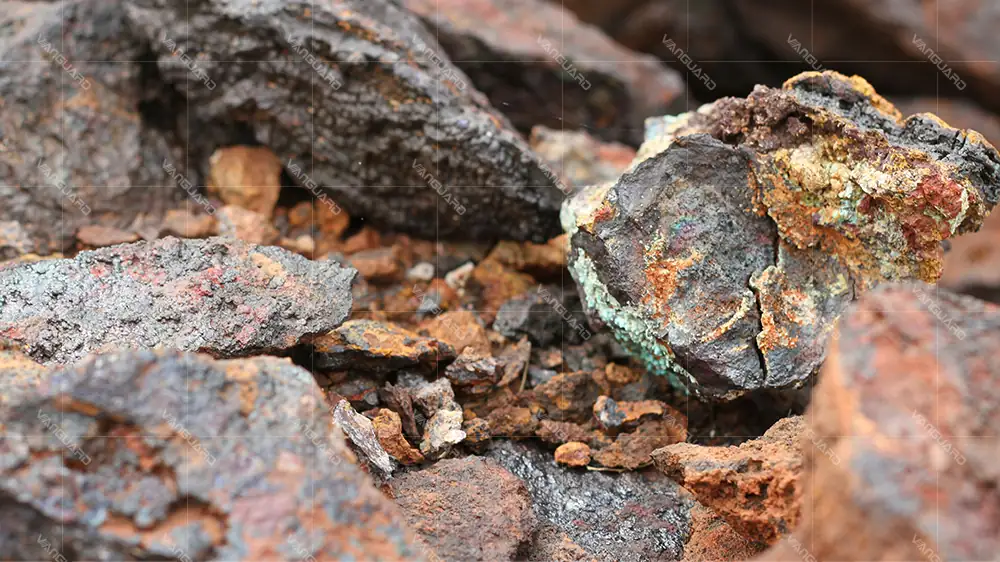
Copper runs Mohs 3–4, yet the quartz and pyrite drive fast wear. A secondary impact crusher burns through blow bars on high-silica ore, so copper lines almost always pick a cone.
Oxide and surface ores are clay-heavy and worse in the rainy season. Feed openings and screens clog, so the layout must leave room for washing or pre-screening.
Copper minerals liberate at different sizes. Coarse liberation lets you keep a coarser crush; fine liberation demands finer product and heavier grinding, which shifts stage count and discharge settings.
Typical Copper Crushing Flow
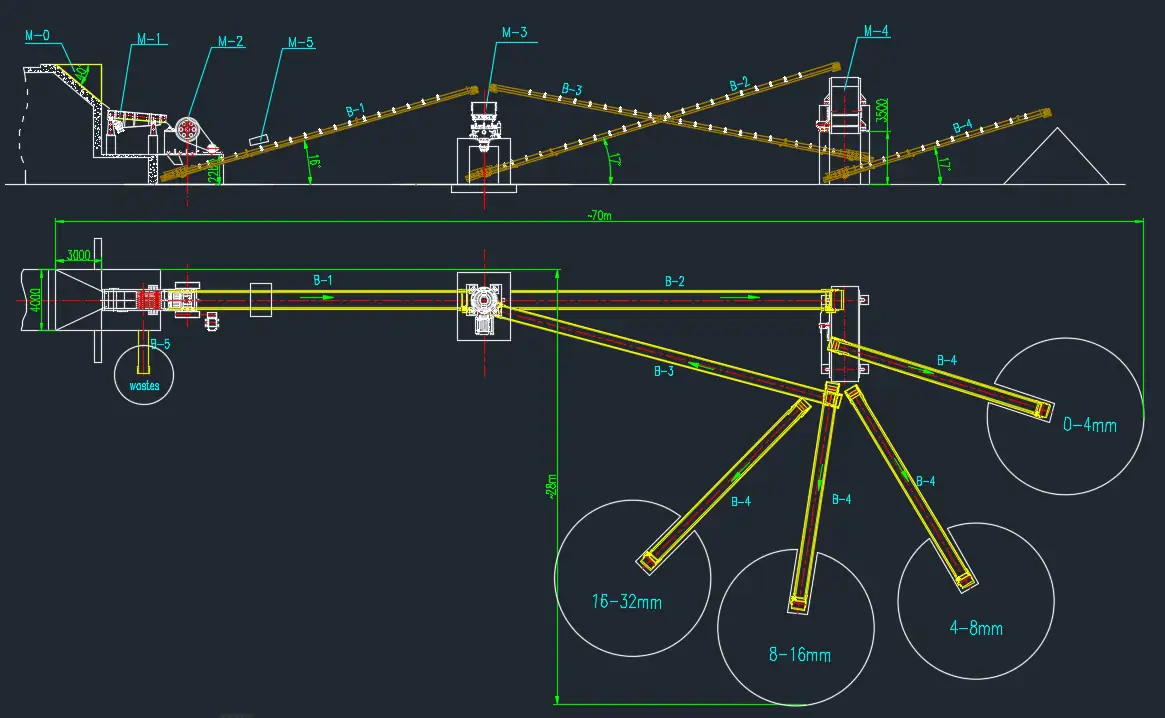
The common three-stage, one-closed-circuit line steps ROM down to a top size the ball mill can swallow.
| Stage | Equipment | Role |
| Feed | Vibrating feeder ZSW | Uniform feeding, pre-screening to remove soil impurities |
| Primary | Jaw crusher (e.g. 6CX series) | ROM down to 150–200 mm |
| Secondary | Cone crusher (CS·CH / CSV) | Down to 30–50 mm |
| Screen | Vibrating screen | Size split, return oversize |
| Tertiary (opt.) | Short-head cone / fine crusher | Down to 10–15 mm for mill |
How to Choose Each Stage
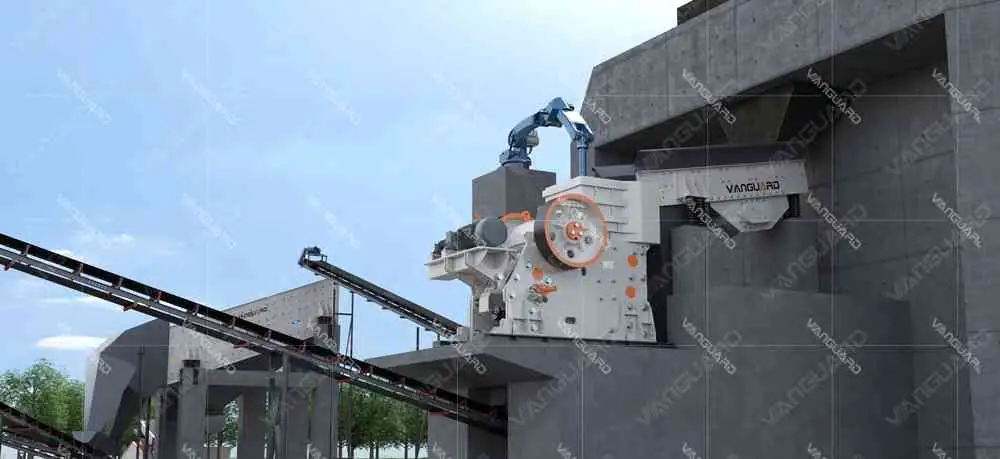
Primary takes the boulders and must be tough. The 6CX series jaw crusher heavy frame suits hard rock and high tonnage; the general PE/PEX jaw crusher covers standard duty. The feed opening must swallow the largest block.
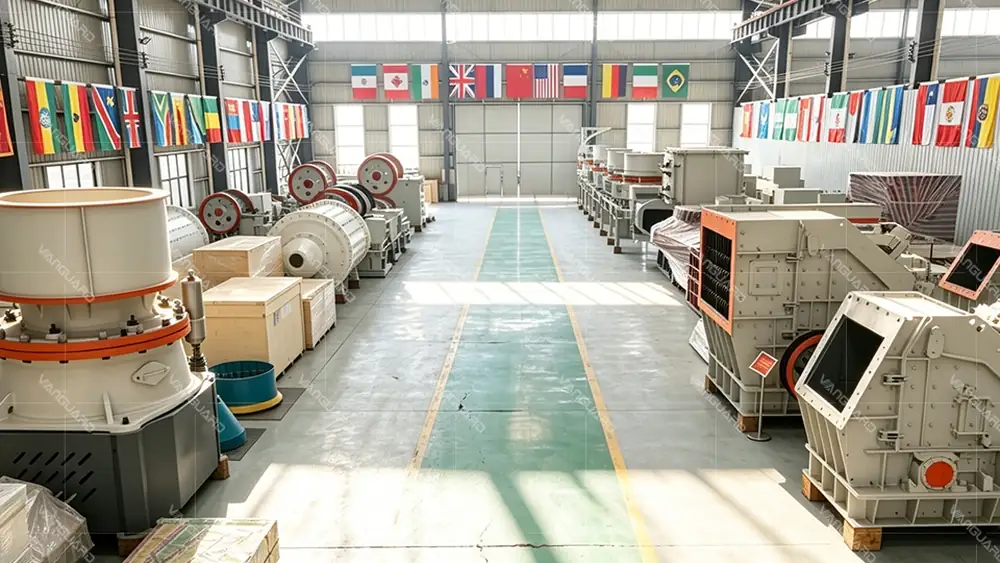
Abrasive copper ore calls for the CS·CH single-cylinder cone crusher or the CSV Symons cone — lamination crushing, wear-resistant, steady shape. Impact crushers only pay off on low-silica soft ore; on copper they cost too much in wear.
Always screen after secondary; return oversize to the cone to close the circuit, hold the final size and cut over-crushing. Screen aperture follows the mill requirement.
Configuration: Five Steps
Fix annual throughput and operating hours, then back-calculate t/h. Capacity sets the tier, then the machines.
The largest block sets the primary model and feed opening. Big blocks need a large-chamber jaw.
Ball-mill feed size (often 10–15 mm) decides secondary duty and whether to add a tertiary stage.
A fixed, powered site suits a stationary crushing line best; remote, scattered, off-grid ore bodies can run a crawler plant that powers up on arrival.
High-silica ore eats blow bars and liners fast. Roll wear parts and power into operating cost, not just the sticker price.
Capacity Tiers
| Hourly capacity | Primary | Secondary | Screen |
| 100 t/h | 6CX80–6CX100 | CS·CH mid-size | 2–3 deck screen |
| 200 t/h | 6CX110 | CSV160 or large CS·CH | 3-deck screen |
| 300 t/h+ | 6CX125 / two in parallel | CSV / CP multi-cylinder large | multiple screens |
Common Configuration Mistakes
- ❌ Secondary impact on high-silica copper → blow-bar costs explode - ❌ One stage to 10 mm → overload and over-crushing - ❌ No screen closed circuit → size swings, poor mill efficiency - ❌ Ignoring clay → choked feeder, more downtime
Lessons From the Field
On copper projects in Africa and South America, the steadiest setups are almost always "jaw primary + cone secondary + closed-circuit screen". Where oxide zones are clay-heavy, add pre-screen and washing at the feed end first — fewer stages later, less downtime. Pick the exact models after a material analysis, not from a formula.
FAQ
In almost all cases, yes. The jaw is tough, takes big feed and wears well — the primary default; a gyratory suits only very large mines.
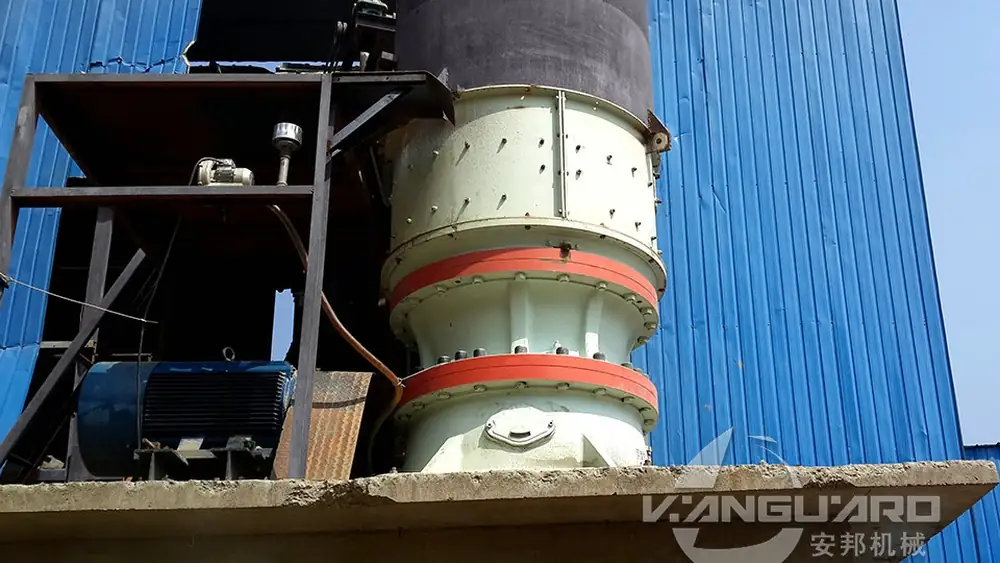
Copper carries silica and pyrite; the abrasive load burns impact blow bars too fast and costs too much. A cone wears far better.
Usually two to three. Primary + secondary is most common; add a tertiary for finer mill feed.
It sends oversize back to be re-crushed, holding the final size and cutting over-crushing, so the mill runs efficiently.
Yes. Remote, scattered, off-grid sites run a crawler plant that powers up on arrival; very large fixed mines still favor a stationary line.
ROM carries fines and clay; pre-screening eases the primary load and cuts bridging.
Match it to target size and ore, balancing output and shape — don't just close it down.
Add pre-screen at the feed end and wash if needed, so clay lumps don't choke the crusher.
The jaw takes boulders to a size the cone can eat; the cone laminates that mid-size down. Stage sizes must match.
Jaw plates, cone liners, screen media, belts. On silica ore liners wear fast — keep spares ready.
Uneven feed, choked setting, weak screening, mismatched stage sizes. Check them in order.
Recommended. Hardness, silica, clay, moisture and liberation size set the process better than a rule of thumb.
Conclusion
There is no universal copper line, but "jaw primary + cone secondary + closed-circuit screen" is a frame that holds up. Know the ore, then size the machines to capacity and site — and the configuration stays on track.
Need a configuration for your ore? Contact Vanguard Machinery for a free material analysis and a full equipment list from primary to mill feed.
Related Articles
• Hydraulic vs Spring Cone Crusher: What Sets Them Apart and How to Choose(2026-07-22)
• Why Is My Jaw Crusher Wearing Out Too Fast? Causes and Fixes(2026-07-09)
• Vanguard Machinery Showcases Mobile Crushing and Screening Plants at MINEENTRA 2026 Zimbabwe
• 200 t/h Limestone Crushing-and-Sand-Making Plant in Malaysia: Five-Size Mobile Line
• Why Mobile Crushing Plants Are Becoming Popular in Zimbabwe Mining Projects(2026-07-23)
• 300 TPH Mobile Crusher: Configuration, Capacity and Selection(2026-07-22)
• Crawler Mobile Crusher Price: What Drives the Cost of a Crawler Plant(2026-07-20)
• What Is an Impact Crusher? How It Works, Types and How to Choose(2026-07-17)

