


Field Experience
- ✔ Copper price and demand have both stayed strong; mine expansions and new crushing lines are up - ✔ Latin America (Chile, Peru) and Africa (DRC) are the most active regions for copper crushing gear - ✔ High-silica, abrasive ore puts jaw, cone and wear liners at the center of procurement - ✔ Remote sites drive crawler mobile plant demand — powers up on arrival, no civil works
Executive Summary
In 2026 copper demand keeps rising on electric vehicles, grid upgrades and renewables, and mine capital spending is recovering. Crushing sits ahead of the concentrator, so equipment refresh and new lines move together; jaw, cone and mobile plants are the three biggest purchase categories on copper projects.
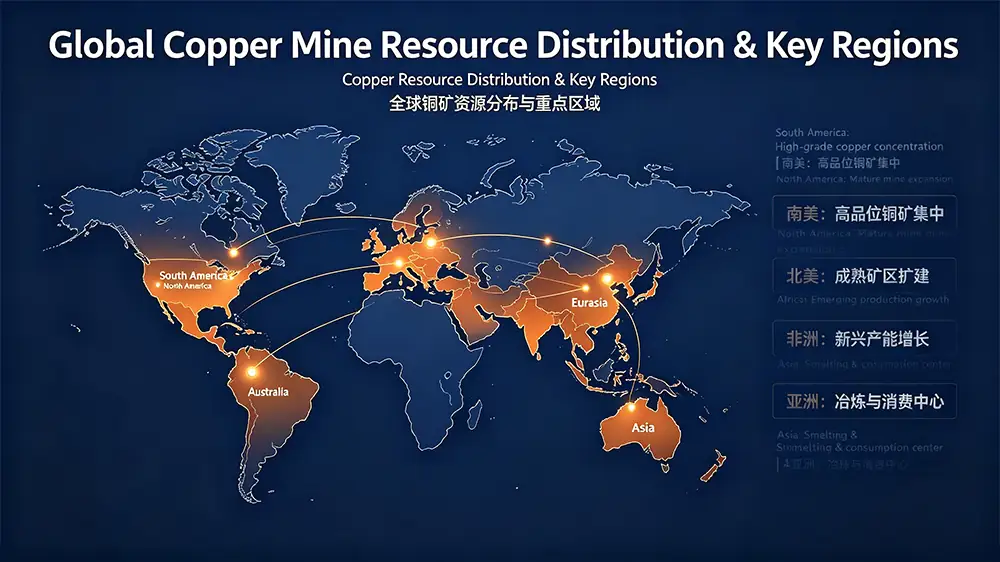
Resources and Key Regions
| Region | Countries | Copper traits |
| South America | Chile, Peru | Porphyry copper, large scale, mid grade |
| Africa | DRC, Zambia | Copper-cobalt, many new builds |
| Asia | China, Mongolia | Old-mine upgrades, northern new mines |
| SE Asia | Indonesia | Large copper-gold projects lately |
Demand Drivers
EV motors and wiring, grid transformers and cables, and solar/wind all use far more copper than legacy energy. Per car, copper beats a fuel vehicle by a wide margin, and grid build-out is a heavy copper consumer — three forces hold copper demand high for the long run.
Crushing Equipment Demand
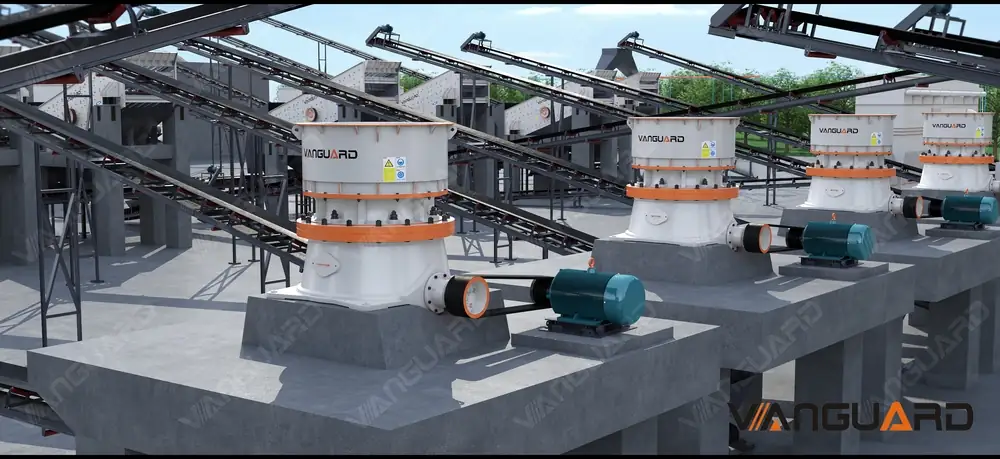
| Equipment | Role in copper | Heat |
| Jaw crusher | Primary, big ROM | High |
| Cone crusher | Secondary/fine, hard ore | High |
| Crawler mobile plant | Remote, scattered sites | Rising |
| Feeder / screen | Feed and sizing | Steady |
Common Capacity Tiers
Copper crushing lines commonly run 100, 200, 300, 500 t/h. Small upgrades pick 100–200 t/h; new large mines go 300 t/h and up, some giants past 500 t/h.
Procurement Trends
- Stationary lines still dominate; very large mines prefer stationary crushing lines - Remote, off-grid, scattered ore bodies shift to crawler mobile plants - Smart features — remote monitoring, auto CSS, online wear tracking — gain favor - Eco — dust, noise, water reuse become hard requirements
Challenges
- High altitude and wet-season mud hit operation and screening - Remote sites mean long haul and spare-part lead times - Tighter environmental and community permits - Shortage of skilled operators and maintainers
Investment Suggestions
- Run a material analysis before fixing the process; don't copy a template - On silica ore, budget enough for wear parts and spares - Remote sites: lean mobile to shorten commissioning - Pick a supplier with local service; downtime costs more than a price gap
Outlook
Green copper demand is a long-cycle story. Mine capex swings short term, but crushing equipment demand stays solid medium term. Suppliers that bring process design, wear parts and field service together will win more new-build and upgrade work.
FAQ
Jaw and cone are standard on copper mines and buy in the largest volume; remote sites lift mobile demand.
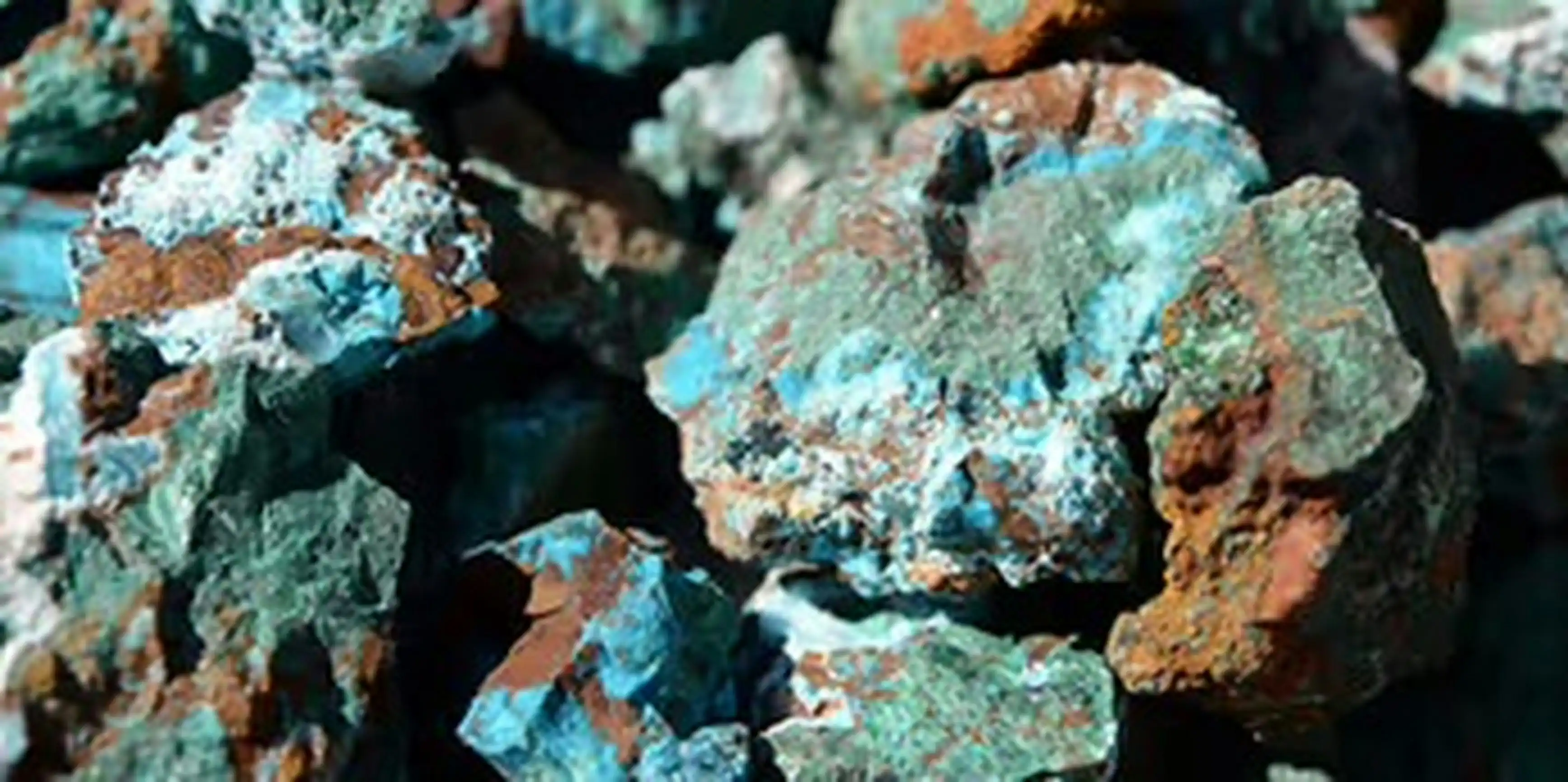
Copper is high-silica and abrasive; the cone wears well and holds shape, carrying secondary and fine crushing.
It suits remote, scattered, off-grid sites that power up on arrival; large fixed mines still favor stationary lines.
100, 200, 300, 500 t/h are the common tiers, chosen by mine scale.
Remote monitoring and auto CSS steady output and save labor — worth considering on new lines.
Dust, noise and water reuse are common hard metrics; leave room for them at design stage.
Thin air cuts diesel power; wide day-night swings test lubrication and electrics — size with margin.
Pre-screen clay at the feed end, add wash water, strengthen screening to cut bridging.
Silica ore eats wear parts fast; stock ahead on the wear curve to avoid long stoppages.
Look at life-cycle cost and service response; copper mines value low downtime and fast spares over a low sticker.
New build follows a full process design; upgrades add a stage or lift output on an existing line, tight on space.
Check similar copper cases, local service network, wear-part supply and commissioning skill.
Conclusion
The copper crushing equipment market stays active on green demand, with regional opportunity in Latin America, Africa and Asia new builds. Don't buy on price alone — process, wear life and service are what keep a line running.
Need a crushing line plan for a copper project? Contact Vanguard Machinery for a free material analysis and an equipment list tuned to local conditions.
Related Articles
• Hydraulic vs Spring Cone Crusher: What Sets Them Apart and How to Choose(2026-07-22)
• Why Is My Jaw Crusher Wearing Out Too Fast? Causes and Fixes(2026-07-09)
• Vanguard Machinery Showcases Mobile Crushing and Screening Plants at MINEENTRA 2026 Zimbabwe
• 200 t/h Limestone Crushing-and-Sand-Making Plant in Malaysia: Five-Size Mobile Line
• Why Mobile Crushing Plants Are Becoming Popular in Zimbabwe Mining Projects(2026-07-23)
• 300 TPH Mobile Crusher: Configuration, Capacity and Selection(2026-07-22)
• Crawler Mobile Crusher Price: What Drives the Cost of a Crawler Plant(2026-07-20)
• What Is an Impact Crusher? How It Works, Types and How to Choose(2026-07-17)

