


Quick Answer
An impact crusher (horizontal-shaft impact, HSI) breaks rock by throwing it against a hard surface at speed. A spinning rotor carries blow bars that fling feed into impact aprons; size reduction comes from impact, not squeeze. That gives it a cubic product shape and a big reduction ratio in one pass, which is why it shines on limestone, gypsum, dolomite and concrete recycling. It is a secondary or tertiary machine for soft-to-medium, low-abrasion rock — for very hard or high-silica stone you usually step up to a cone. Vanguard Machinery builds stationary impact crushers (PF/PFV, 6FX, LF, CI6X) and mobile impact plants (tyre-mounted VPF, crawler LA). Pick one when you need cubic aggregate, high reduction, or fast recycling — not when the feed is granite-tough.
Key Takeaways
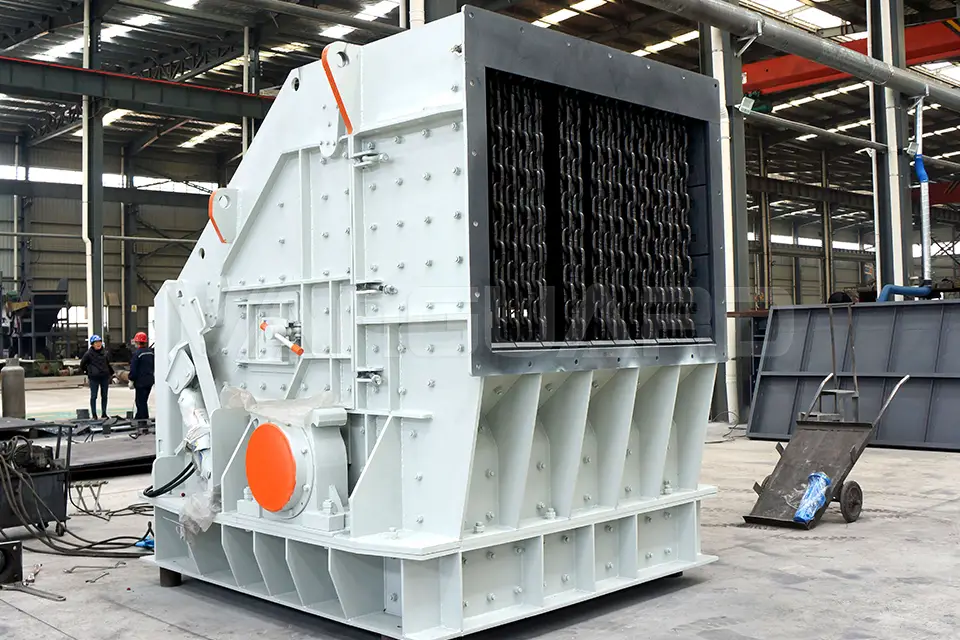
- ✔ An impact crusher breaks by impact: a high-speed rotor with blow bars hurls feed into impact plates — cubic shape, big reduction ratio - ✔ Best for soft-to-medium, low-abrasion rock: limestone, gypsum, dolomite, concrete recycling - ✔ Not for very hard or high-silica: granite and high-silica basalt wear blow bars fast — choose a cone - ✔ Stationary (PF/PFV, 6FX, LF, CI6X) for fixed plants; mobile (VPF tyre, LA crawler) for relocation - ✔ Run it with a vibrating screen in closed circuit to lock gradation; add a VSI (5X/VSI) only when you also make sand
What Is an Impact Crusher
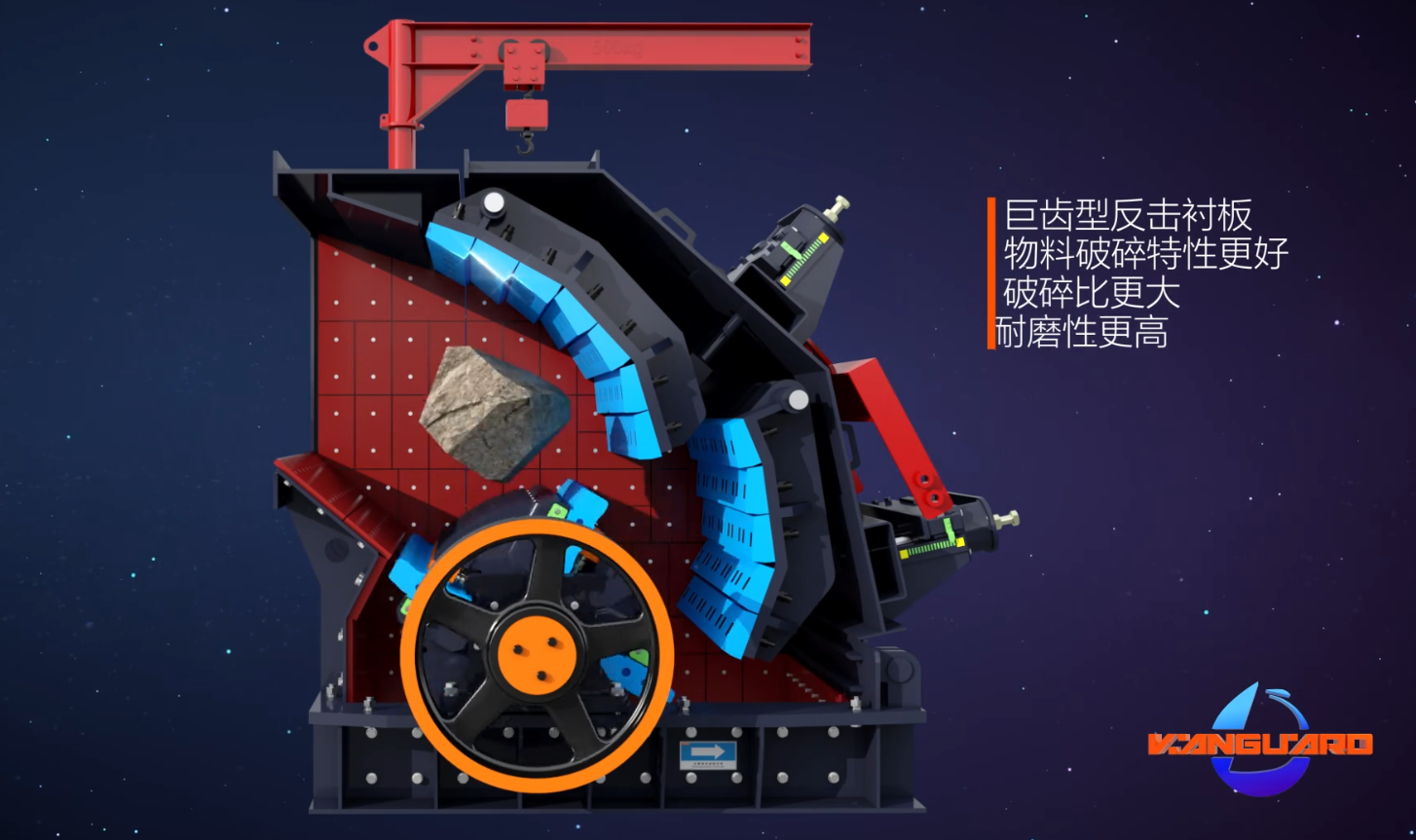
An impact crusher is a secondary or tertiary crusher that reduces rock by impact force rather than compression. Feed drops into a high-speed rotor; the rotor's blow bars throw the stone against adjustable impact aprons (also called breaker plates). The rock bounces between blow bars and aprons, shattering along natural fracture lines. What comes out is a cubical, well-shaped aggregate — the reason impact crushers lead the shaping duty in aggregate plants.
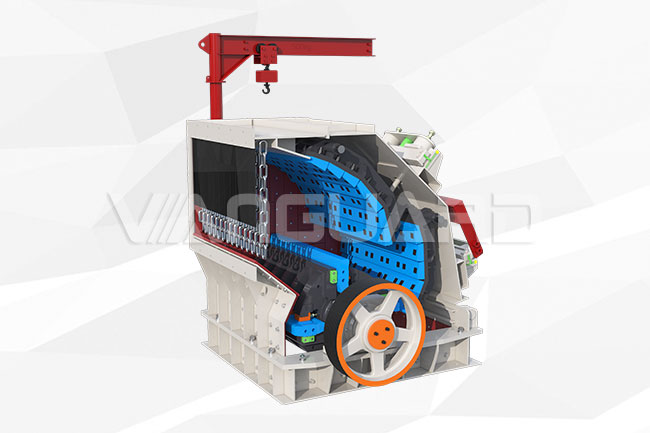
Rotor, blow bars, impact aprons, adjustment curtains and a feed chute. The blow bars take the wear; the aprons set the product size and shape.
Feed enters the rotor, the rotor flings it at the apron, the stone falls back onto a blow bar, gets thrown again, and repeats until it is small enough to fall through the gap. No squeezing — just repeated high-speed impacts.
A hammer crusher swings hammers on a spinning shaft — a different machine. A VSI (vertical-shaft impact crusher, 5X/VSI) spins rock inside a chamber to make sand — also different. The impact crusher here is the horizontal-shaft type (HSI).
Main Types: Stationary and Mobile
You pick the form by whether the plant stays put or moves with the job.
PF/PFV (European style with hydraulic gap adjust), 6FX (high-efficiency European), LF (large) and CI6X (high-performance) cover fixed aggregate lines from medium to high tonnage.
The VPF tyre-mounted impact plant and the LA crawler impact/screen plant bring impact crushing to relocation, construction waste and scattered quarries. A crawler model walks itself onto rough ground; a tyre model moves fast on roads.
Impact Crusher vs Jaw vs Cone
The three machines are not rivals — they sit at different stages and rock types.
| Aspect | Impact crusher | Jaw crusher | Cone crusher |
| Crushing method | Impact (blow bars) | Compression (moving jaw) | Compression (gyratory) |
| Typical stage | Secondary / shaping | Primary | Secondary / tertiary |
| Best hardness | Soft-medium, low abrasion | All hardness | Medium-hard, abrasive |
| Product shape | Cubic, few flats | More slabby | Even, rounder |
| Reduction ratio | High | Medium | Medium |
| Typical feed | Limestone, gypsum, concrete | Granite, river stone (primary) | Granite, iron ore |
On soft, low-abrasion rock the impact crusher wins on shape and cost. On hard, high-silica rock the blow-bar wear bill climbs, and a cone is the safer long-term choice.
A jaw takes the big feed at the front end; an impact crusher follows it to shape the product. Most lines run jaw (primary) then impact (secondary/shaping).
Strengths and Limits
Every machine has a sweet spot. Know both sides before you buy.
| Strengths | Limits |
| Cubic shape, good gradation | Blow bars wear fast on abrasive feed |
| High reduction ratio, short flow | Very hard / high-silica -> choose a cone |
| Recycling-friendly (concrete, rebar) | Wet or sticky feed needs pre-screen and moisture control |
| Lower capex than a cone on medium rock | Long-run wear cost high on hard rock |
Typical Vanguard Impact Crusher Models
The model series follows the device type — pick by stage and feed.
| Series | Type | Use |
| PF / PFV | Impact crusher (European, hydraulic gap) | Limestone, gypsum secondary and shaping |
| 6FX | European impact crusher | Medium rock, high reduction |
| LF | Large impact crusher | High-tonnage aggregate |
| CI6X | High-performance impact | Demanding shaping |
| VPF | Tyre-mounted mobile impact | Relocating secondary and shaping |
| LA | Crawler impact / screen plant | Mobile shaping on rough ground |
Typical Process Flow
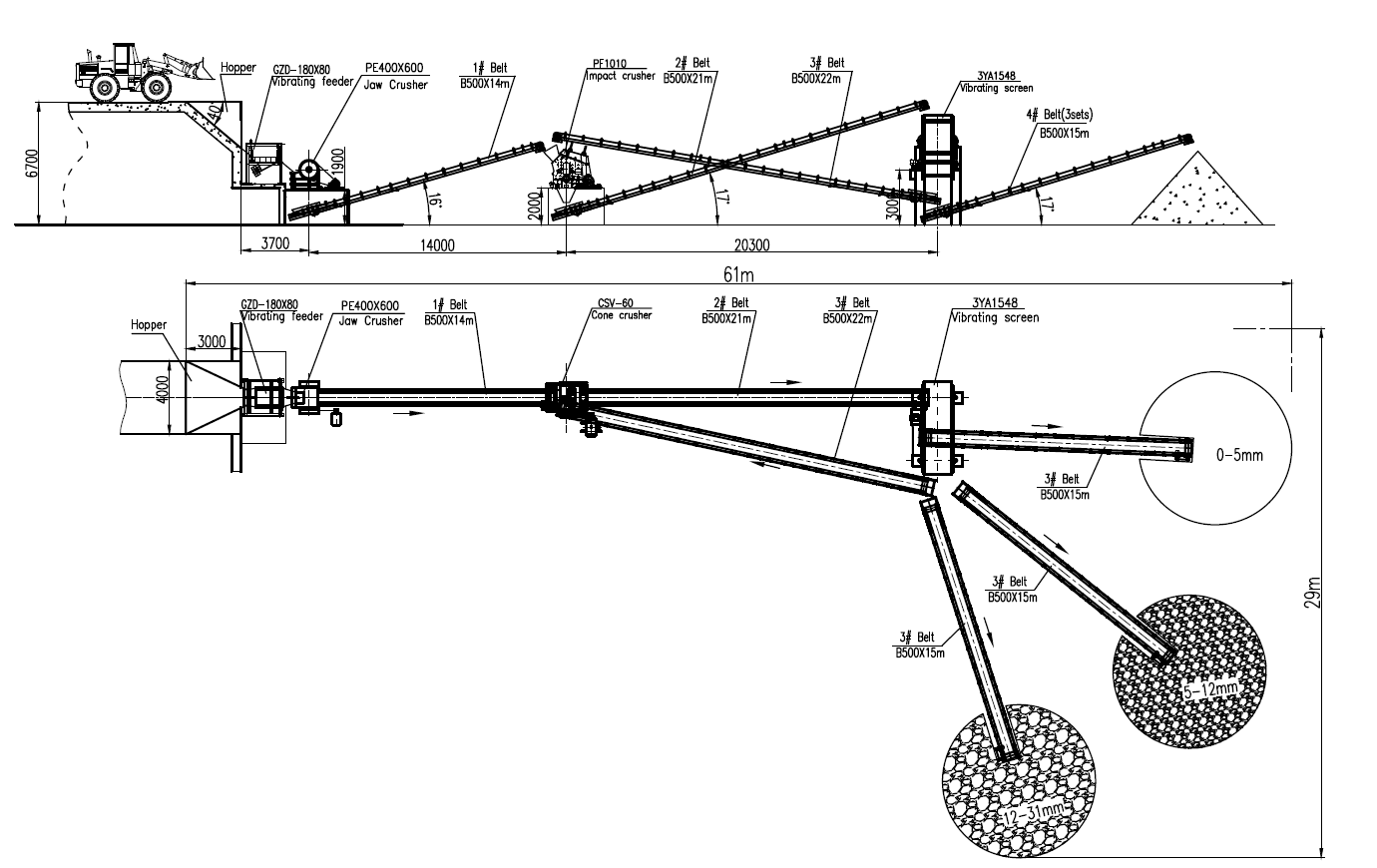
An impact line runs the same closed circuit as any crushing plant — just with impact as the shaping stage.
Feed -> vibrating feeder (scalps fines) -> impact crusher (rotor + blow bars + aprons) -> vibrating screen (sizes) -> saleable aggregate; oversize returns to the crusher (closed circuit). When you also make sand, the screen undersize goes to a vertical-shaft impact crusher (5X/VSI) for shaping.
Lessons From the Field
What actually drives a good impact setup, from lines we support.
Rock hardness picks the machine. On limestone and similar soft rock the impact crusher is the right call; on high-silica granite the blow-bar wear bill climbs fast, and a cone is the safer long-term choice.
Apron gap sets the shape. Close the gap and you get more cubic product but less tonnage — the plant has to balance shape against output.
Closed-circuit screen sets the gradation. Run the impact crusher with a vibrating screen in closed circuit; on concrete-recycling lines, add magnetic separation and pre-screening so steel and fines do not load the crusher. These three points hold across the limestone and recycling lines we support.
Selection Checklist and Common Mistakes
Turn selection into a checklist you can run through in five minutes.
1. Feed hardness? Soft-medium -> impact; very hard -> cone. 2. Need cubic shape? -> impact. 3. Recycling concrete? -> impact plus a magnet. 4. Relocating often? -> VPF / LA mobile. 5. Also making sand? -> add a VSI (5X/VSI).
Mistake one: impact beats cone everywhere — no, on abrasive hard rock the cone wins. Mistake two: impact cannot handle hard stone — it can, but the wear cost kills the economics. Mistake three: no screen needed — without a closed-circuit screen the gradation drifts.
FAQ
A hammer crusher swings hammers on a shaft and beats the rock; an impact crusher flings rock against aprons. Different wear parts, different product. Impact gives better cubic shape for aggregate.
It can physically, but granite is hard and high-silica, so blow bars wear fast and the cost per tonne climbs. For granite, a cone is usually the better long-term call.
Soft, low-abrasion rock (limestone, gypsum) -> impact for shape and value. Hard, abrasive rock (granite, iron ore) -> cone for lower wear cost.
Because impact shatters rock along natural fracture lines instead of squeezing it. The result is a multi-faced, low-flakiness particle that graders like.
On abrasive feed, switch to a cone, or pick a model with thicker/more wear-resistant blow bars and keep the feed clean. Don't just accept a high wear bill.
Yes. Impact crushers are the mainstream for concrete recycling — they liberate rebar and turn rubble into recycled aggregate. Add a magnet and pre-screen to protect the crusher.
Typically high — often 10:1 to 20:1 in one pass, versus roughly 4:1 to 6:1 for a jaw. That is why it can replace two compression stages.
The VPF tyre-mounted impact plant and the LA crawler impact/screen plant. VPF moves fast on roads; LA walks itself onto rough or roadless sites.
For graded aggregate, yes. Run it in closed circuit so oversize returns and the product stays in spec. Without the screen, gradation drifts.
It follows a primary (usually a jaw) that sets the top size; the impact crusher then takes that output, commonly up to a few hundred millimetres depending on the model. Check the model's max feed.
Jaw for primary (big rock in), impact for secondary/shaping (cubic product out). A typical line: jaw -> impact -> screen, with the screen in closed circuit.
Feed hardness and abrasion first — that single answer decides impact versus cone. Then tonnage, shape target, relocation need and whether you also make sand.
Conclusion
An impact crusher is not a tougher jaw or a cheaper cone — it is the shaping specialist. It throws rock against impact plates at speed, delivering a cubic product and a big reduction ratio in one pass, which is exactly what limestone, gypsum and concrete-recycling lines need. Reach for it on soft-to-medium, low-abrasion feed; on very hard, high-silica stone step up to a cone. Vanguard Machinery covers both: stationary impact crushers (PF/PFV, 6FX, LF, CI6X) and mobile impact plants (VPF, LA). Need an impact line layout? Contact Vanguard Machinery for a free material analysis and tailored selection.

